
Tax Implications of Owning a $2M+ Home in Texas
Texas is often positioned as a tax-friendly state — and in many ways, it is. There’s no state income tax, which is a meaningful advantage for high-income earners relocating from places like California or New York.
But for luxury homebuyers in Dallas, that benefit comes with a tradeoff that’s frequently underestimated: property taxes.
Understanding how those taxes actually impact a $2M–$5M purchase is critical — not just for budgeting, but for making the right decision on where and how to buy.
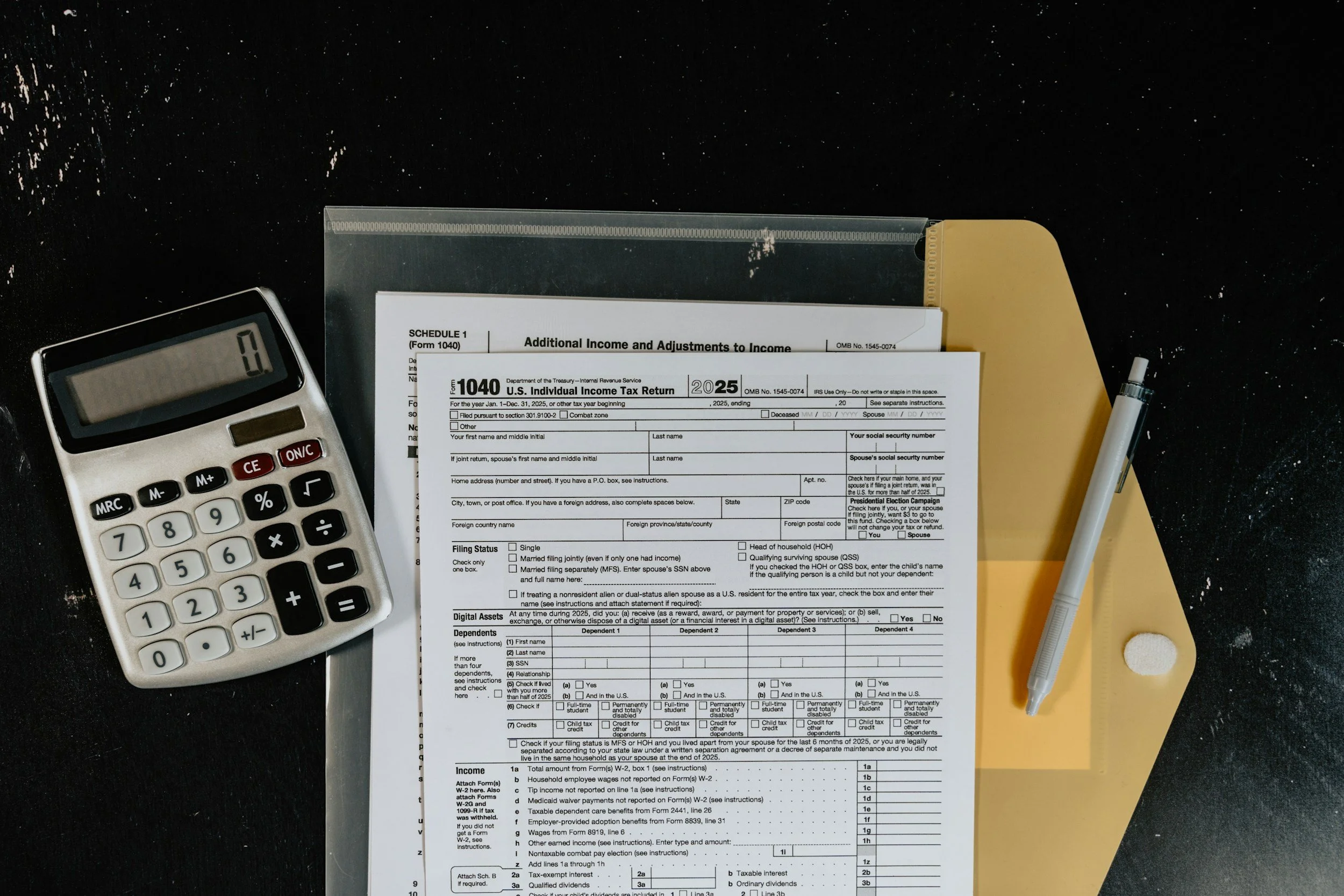
Texas Has No State Income Tax — But That’s Only Half the Story
The absence of state income tax is one of Texas’ biggest draws. For high earners, that can translate into significant annual savings.
However, Texas generates revenue differently — primarily through property taxes.
That means:
Higher effective property tax rates compared to many other states
A heavier reliance on local taxation (school districts, municipalities, counties)
For luxury buyers, the result is simple:
You’re not avoiding taxes — you’re shifting how you pay them.
What Property Taxes Look Like at the $2M–$5M Level
At higher price points, property taxes become a meaningful line item — not a footnote.
In the Dallas area, effective tax rates typically range from ~1.8% to 2.5%, depending on the specific location.
Example:
$2M home → ~$36,000 to $50,000 annually
$5M home → ~$90,000 to $125,000 annually
These are not estimates buyers can ignore — they directly impact:
Monthly carrying costs
Financing decisions
Long-term affordability
And importantly, tax rates vary meaningfully depending on where you buy.
Homes in areas like Highland Park or University Park often carry different tax structures than properties in Dallas proper or surrounding suburbs — which makes location strategy just as important as price.
Homestead Exemptions — What They Do (and Don’t Do)
Texas offers homestead exemptions that can reduce taxable value — but at the luxury level, their impact is often more limited than buyers expect.
Key points:
Homestead exemptions apply only to primary residences
They provide partial reductions, not full relief
They do not scale proportionally with higher home values
In practical terms:
On a $3M+ property, the exemption helps — but it does not materially change the overall tax burden.
Buyers relying on homestead benefits to significantly offset taxes are often surprised when the numbers are finalized.
Strategic Considerations for Luxury Buyers
This is where tax awareness becomes strategy.
1. Location Selection Matters
Different municipalities and school districts carry different tax rates.
For example:
Central Dallas neighborhoods
The Park Cities
Northern suburbs
Each comes with its own tax structure.
👉 Two homes at the same price can have very different annual tax obligations depending on where they’re located.
2. Understand the “True Cost of Ownership”
Purchase price is only part of the equation.
Buyers should evaluate:
Property taxes
Insurance
Maintenance
Financing costs
At the $2M–$5M level, these combined costs meaningfully impact long-term cash flow.
3. Plan for Reassessments
Texas property values are regularly reassessed.
That means:
Taxes can increase over time
Purchase price can influence future assessed value
A strong acquisition strategy considers not just today’s taxes, but future adjustments.
How Taxes Influence Buying Decisions
In practice, property taxes shape decisions more than most buyers expect.
They can influence:
Whether to stretch budget or stay conservative
Which neighborhood makes the most sense financially
How a buyer structures financing
For example:
A buyer choosing between Preston Hollow and Highland Park isn’t just comparing homes — they’re comparing total cost of ownership over time.
This is where experienced guidance matters.
The TribecaGroup Perspective
At the luxury level, real estate decisions are rarely just about the home itself.
They’re about:
Capital allocation
Long-term positioning
Predictability of ownership costs
Property taxes are one of the most important — and most overlooked — parts of that equation.
Our role is to help clients look beyond the listing price and evaluate:
What ownership actually costs
How different neighborhoods compare financially
How to align a purchase with broader financial goals
Because the right decision isn’t just the right house — it’s the right structure around it.
Evaluate Your Next Move with Clarity
If you’re considering a purchase in Dallas and want to understand the full financial picture — including how property taxes vary across neighborhoods — we can help you evaluate the numbers with precision.